
Neurosurgery in India is undergoing a quiet but powerful transformation. What was once considered a high-risk and last-resort specialty is steadily becoming safer, more precise, and increasingly focused on patient quality of life. Advances in technology, surgical techniques, diagnostics, and post-operative care are reshaping how brain and spine conditions are treated across the country.
For patients and families, this evolution brings reassurance. For neurosurgeons, it offers tools that allow better decision-making, improved outcomes, and more personalized care. As India emerges as a global healthcare destination, modern neurosurgery is playing a key role in setting new standards of excellence.
This article explores the future of neurosurgery in India and how experienced specialists like Dr. Manish Rawat, a senior neurosurgeon in Gurgaon, are adapting these advancements to deliver safer and more patient-centric care.
A Shift from High-Risk to High-Precision Neurosurgery
Traditionally, brain and spine surgeries were associated with long hospital stays, higher complication risks, and extended recovery periods. Today, the emphasis has shifted toward precision-driven neurosurgery, where accurate planning and minimal tissue damage are central goals.
Modern neurosurgical practice now relies on advanced imaging, navigation systems, and refined microsurgical techniques. These developments allow surgeons to operate with greater accuracy, even in complex areas of the brain and spinal cord.
In India, this shift has significantly improved patient confidence. Conditions such as brain tumors, slipped discs, spinal stenosis, and traumatic brain injuries are now managed with more predictable outcomes and better functional recovery. Neurosurgeons like Dr. Manish Rawat in Gurgaon represent this new generation of specialists who combine experience with modern surgical philosophy.
Minimally Invasive Techniques Leading the Way
One of the most defining trends shaping the future of neurosurgery in India is the rapid adoption of minimally invasive surgical techniques. These procedures use smaller incisions, specialized instruments, and advanced visualization tools to reduce trauma to surrounding tissues.
For patients, the benefits are clear:
- Less post-operative pain
- Shorter hospital stays
- Faster return to daily activities
- Lower risk of infection and complications
Minimally invasive spine surgery, endoscopic brain surgery, and keyhole approaches are becoming more widely available in leading centers. In cities like Gurgaon, patients now have access to these advanced options without needing to travel abroad.
Dr. Manish Rawat’s approach emphasizes selecting the least invasive yet most effective treatment for each patient, balancing innovation with safety.
Role of Advanced Imaging and Surgical Navigation
Another critical factor shaping the future is the integration of advanced imaging and navigation systems into neurosurgical practice. High-resolution MRI, CT scans, functional imaging, and intraoperative navigation allow surgeons to map critical brain and nerve structures before and during surgery.
These tools help:
- Identify exact tumor boundaries
- Avoid damage to vital brain areas
- Improve accuracy in spine instrumentation
- Reduce surgical time
In complex brain and spine cases, navigation systems act like a GPS for the surgeon, guiding every movement with real-time feedback. This technology has raised the overall safety standards of neurosurgery in India and enhanced surgical confidence in challenging cases.
Artificial Intelligence and Data-Driven Decision Making
Artificial intelligence is gradually influencing neurosurgery, especially in diagnosis and treatment planning. AI-assisted tools can analyze imaging data, identify patterns, and support clinical decisions by predicting risks and outcomes.
While AI does not replace surgical expertise, it acts as a powerful support system. In India, this technology is being used to:
- Improve early detection of neurological conditions
- Assist in surgical planning
- Enhance post-operative monitoring
The future will likely see closer integration between human expertise and intelligent systems. Experienced neurosurgeons like Dr. Manish Rawat use technology as an aid, while relying on clinical judgment, experience, and patient-specific factors to guide final decisions.
Patient-Centric Care as the Core Philosophy
Perhaps the most meaningful change in modern neurosurgery is the shift toward patient-focused care. The future is not just about advanced machines or techniques, but about understanding the patient as a whole.
This includes:
- Clear communication about diagnosis and treatment options
- Realistic discussion of risks and outcomes
- Emotional and psychological support for patients and families
- Personalized rehabilitation and follow-up care
Neurosurgical treatment plans are no longer one-size-fits-all. Each decision is based on age, lifestyle, medical history, and patient expectations. In Gurgaon, Dr. Manish Rawat is known for adopting this balanced and compassionate approach, ensuring patients feel informed and supported at every stage.
Faster Recovery and Improved Quality of Life
The future of neurosurgery places strong emphasis on recovery and long-term quality of life, not just surgical success. Enhanced recovery protocols, better anesthesia techniques, and structured rehabilitation programs are helping patients heal faster and regain independence sooner.
Post-surgery care now often includes:
- Early mobilization
- Targeted physiotherapy
- Pain management optimization
- Long-term neurological monitoring
This holistic approach ensures that patients not only survive surgery but return to meaningful, productive lives. Such outcomes reflect the maturity of neurosurgical care in India today.
India as a Global Destination for Neurosurgery
With skilled surgeons, modern infrastructure, and cost-effective treatment, India is increasingly recognized as a global destination for neurosurgery. Patients from different parts of the world seek care in Indian cities for complex brain and spine conditions.
Gurgaon, in particular, has emerged as a key healthcare hub due to its advanced hospitals and experienced specialists. Neurosurgeons like Dr. Manish Rawat contribute to India’s growing reputation by maintaining high clinical standards and continuously updating their skills.
The Road Ahead for Neurosurgery in India
Looking ahead, neurosurgery in India will continue to evolve through innovation, collaboration, and patient-centered thinking. Robotics, improved imaging, personalized medicine, and global knowledge exchange will further refine surgical outcomes.
However, the true future lies in combining technology with experience, ethics, and empathy. Surgeons who balance cutting-edge techniques with human understanding will define the next era of neurosurgical care.
Conclusion
The future of neurosurgery in India is undeniably safer, smarter, and more patient-focused. As technology advances and surgical expertise deepens, patients can expect better outcomes, faster recovery, and greater confidence in treatment.
Under the care of experienced specialists like Dr. Manish Rawat, a trusted neurosurgeon in Gurgaon, patients benefit from modern neurosurgical advancements delivered with precision and compassion. This blend of innovation and human care is shaping a brighter future for neurosurgery across India.
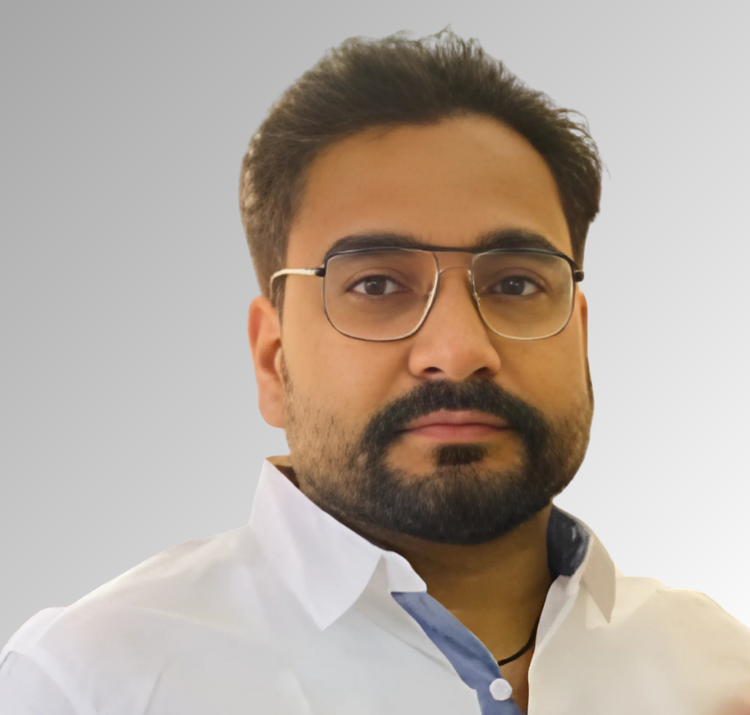
Doctor Manish Rawat, the best neurosurgeon in Gurugram, is a highly accomplished Senior Neurosurgeon with over 25 years of medical experience, including 18 years dedicated to neurosurgery.